Most marketers panic when sales are lagging and only a few weeks remain before the event. But when things get tough, Bauer Entertainment Marketing gets tougher!
If you market live events, especially county fairs, you already know that audiences often wait until the last minute to confirm schedules, weather forecasts, and who else will be there. Friday morning rolls around, and someone asks, “Are we going?” Finally, a ticket is purchased.
Instead of fighting that behavior, we built a strategy around it.
The Client: A Hamilton County Tradition
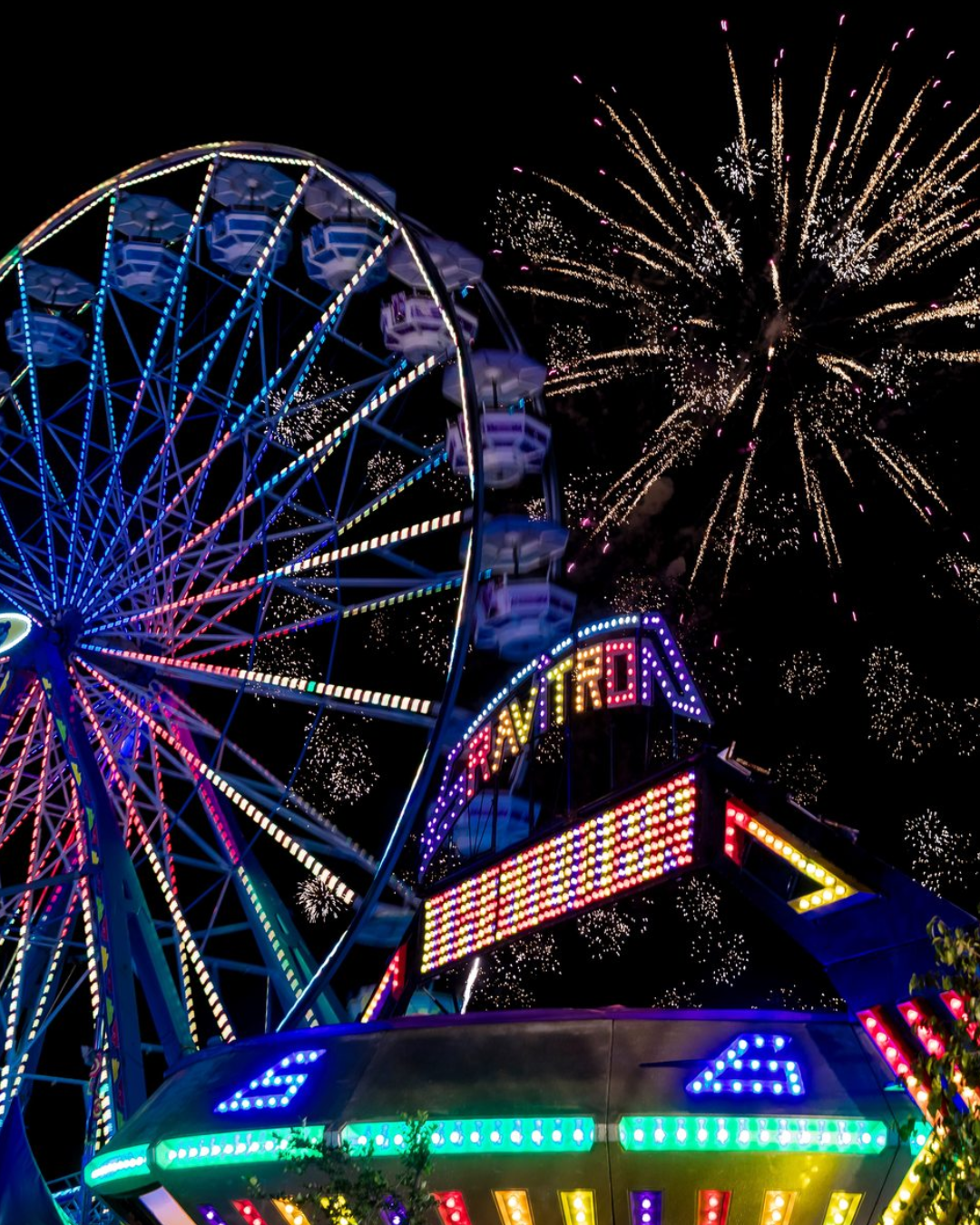
The Little Debbie Hamilton County Fair has been a cornerstone of the community since 1951. Bringing together the greater Chattanooga area, the Fair blends history, agriculture, and entertainment into a multi-day celebration.
More than just an event, the Fair is a family tradition. It brings together thousands of longtime residents and first-time attendees. However, the Fair's future success was threatened by declining ticket sales and a major awareness issue.
The Challenge: Increasing Visibility and Ticket Sales for a Local County Fair
The Fair had a visibility problem; community members said they hadn’t seen or heard much about last year’s event. For a generational Hamilton County tradition, that feedback hit event producers hard. When locals do not pay attention to your show, they assume it’s not happening.
Moreover, the growth goal for this year’s Fair was aggressive. The County Fair team was aiming to generate significantly more revenue. In fact, they wanted a sellout.
On top of that, layer a local audience reliant on traditional media, preferring to receive announcements from billboards, print, and familiar community voices over digital ads and social media posts.
In short, this was not a campaign anyone should run on autopilot and expect success. Without a cohesive plan, data-backed implementation, and consistent optimization, the Fair risked another year of muted exposure and lackluster attendance.
The Solution: A Data-Driven County Fair Marketing Plan Built for Late Ticket Buyers
1. Local Event Marketing Through High-Impact Billboard Advertising
For community-driven events, hyper-local visibility still matters. To achieve that visibility, the audience needed to feel like the Fair was everywhere. So, we placed big, beautiful billboards along major interstates and busy Hamilton County corridors. Not just for visibility, but for saturation.
The client started hearing from the community immediately. Friends, colleagues, and family members reported seeing the boards throughout town. That kind of organic feedback indicates we’re capturing attention, building familiarity, and increasing trust in the brand. The marketing is doing its job.
2. Spend Advertising Budget Strategically to Maximize Ticket Sales
This is where most marketers get nervous. Instead of evenly distributing the ad budget over time, we paused conversion-driven campaigns about a month before the Fair. Yes, you read that right, paused.
Why? Historical ticket sales data indicated that most purchases occurred in the days leading up to and during the event weekend.
With that in mind, we concentrated ad spend during the highest-urgency period. BEM built pressure at the exact moment buyers were most likely to convert. Instead of trying to “swim against the current” and force early buying behavior, we aligned with the historical trend and amplified it.
3. Entertainment Marketing and Conversion-Focused “Dark Posts”
A main driver in entertainment marketing is the artist lineup. Artist announcements drive demand and urgency, but only when deployed strategically.
Instead of simply boosting feed posts and hoping for the best, our team implemented targeted “dark posts.” Dark posts are paid social ads that do not appear in the public feed but are delivered directly to fans from the artist’s social media pages. This allows for precise targeting and tailored messaging.
As the Fair weekend approached, we launched a second flight of dark posts targeted at high-intent buyers. These ads emphasized lineup-driven urgency and last-chance messaging, reaching users most likely to convert.
4. Marketing Local Events Through Community Partnerships
A small community knows that a neighbor’s word is as good as gold. So, we partnered with the Mayor of Hamilton County, Chattanooga Moms social media group, local radio, and other trusted outlets to amplify announcements and drive awareness.
These collaborations were not fluffy co-posts. We tapped into audiences with established credibility and real influence in the community. For example, content shared through Chattanooga Moms alone generated over 170,000 in reach per Facebook post, more than 1,200 direct link clicks, and strong engagement across Instagram and email, translating trusted local influence into measurable traffic and visibility.
These PR efforts generated millions of earned media impressions, reinforcing the Fair’s position as a long-standing Hamilton County tradition and establishing trust by association with key figures.
5. Event Email Marketing That Converted During Fair Weekend
As the Fair weekend approached, we deployed a series of segmented “last-chance” themed email campaigns targeted to audience members who had yet to purchase tickets.
These last-chance campaigns achieved open rates of up to 49% and click-through rates of up to 4%. Well above industry standards for event marketing! But it wasn’t luck. It was due to strong brand awareness, smart subject lines, and perfectly timed urgency.
The Results: Total Sales Up 35% Year-over-Year
When we say the late push worked, we mean it.
Final-week ticket sales revenue increased 78% YoY
88% of all tracked conversions occurred during the final push
Advertising generated a 600% return on spend
BEM exceeded the original ticket sales revenue goal by 128%
After the event, our client described the weekend as feeling like she was living in a Hallmark movie. She was over the moon and told us, “We should do this together forever and ever and ever.”
That is the kind of partnership we aim for. Strategic. Collaborative. Results-focused.
What Made This County Fair Marketing Strategy Different
Many in the industry are dragging their feet and not fully committing to a strategy that applies the majority of their budget and promotional effort for the final weeks before the event.
We resisted the urge to stay “always on” just to feel busy. We trusted the data and the buying pattern. Our team focused resources where they would have the greatest impact.
Additionally, ticketing was also in good hands with EventHub. They provided us with solid purchase flows, great SEO, tracking that worked, and a team on hand when we needed them.
We also respected the event's local roots. This was not a broadly-targeted campaign. It was a Hamilton County saturation strategy, executed across billboards, strategic digital ad spend, social media dark posts, community partnerships, and email marketing.
Winning campaigns aren’t plug-and-play. They’re built around real audience behavior, multiple awareness touchpoints, and disciplined timing.
5 Key Takeaways for County Fair and Event Marketing Teams
Study historical buying patterns before allocating the budget
It is okay to pause campaigns if it protects high-intent spend
Local visibility still drives impact for county fairs and community events
Artist dark ads can significantly lift ticket sales
Email remains a powerful last-chance conversion tool
Ready to Increase Ticket Sales for Your Fair?
Step right up, step right up! BEM specializes in filling fairs with smiling faces. If you want to turn impressions into attendees, let’s talk. Start with a few free growth ideas, on the house!