When a show isn't selling, the instinct is to spend more on promotion. That's the wrong move.
More often than not, the offer underneath the marketing is what's broken. The price, the timing, the urgency, the value, or how the venue itself is being framed. More promotion won't fix it. In fact, it can amplify the problem.
After years of marketing thousands of shows across the globe, we’ve watched the same six culprits stall ticket sales time and time again. They have nothing to do with how loud you’re shouting. They have everything to do with what you’re shouting about, when, to whom, and at what price.
1. You’re marketing for the buyer you had, not the buyer you have.
Audiences are buying later than they used to. Last-minute is no longer the exception; it’s the rule, and most ad calendars haven’t caught up.
One client tested this directly. Our analysis of previous sales history indicated a pattern of late buyers, so we leaned into that. Most of the ad budget was held back and deployed in the final stretch, where buyer data indicated decisions were actually happening. The campaign hit 128% of its ticket sales goal and grew total sales by 35% year over year, compared with a comparable prior season in which spending was spread evenly. Same audience. Same offer. Different timing. If your plan front-loads the first eight weeks, you’re spending money on people who weren’t going to decide yet.
2. You don’t own your audience.
Social platforms are landlords. Email and SMS are owned property. When a platform tanks your reach (and it will), your only fallback is the audience you’ve built somewhere you actually control.
Theatres that consistently outperform their market treat email and SMS as primary revenue channels, not afterthoughts. They grow lists during every transaction, every event night, every social post. And they actually send it to them. If your email file hasn’t grown meaningfully in two years, that’s a tier-one problem.
3. Price and checkout are killing the sale before it happens.
The most common conversion killer in our industry isn’t ad creative. It’s the path from interest to confirmation. Hidden fees revealed at checkout. Confusing tier displays. No guest checkout.
Audit your own funnel like a first-time buyer. Click your own ad. Pick a seat. Watch the price climb. If you flinched, your customer flinched harder, and they didn’t have to follow through.
4. You’re giving buyers no reason to buy now.
“Tickets on sale now” is not an urgency. It’s furniture. Real urgency is specific: limited inventory in a section, a price tier closing on a date certain, a meet-and-greet capped at 25 buyers, a presale window with a countdown that actually counts down.
Most theatres have urgency available and don’t use it. The seats are limited. The night is one-time. The artist isn’t coming back. Say so.
5. You’re asking the lineup to do all the selling.
The artist’s name on a poster used to be enough. It isn’t anymore, especially for mid-tier acts, tribute shows, and emerging artists.
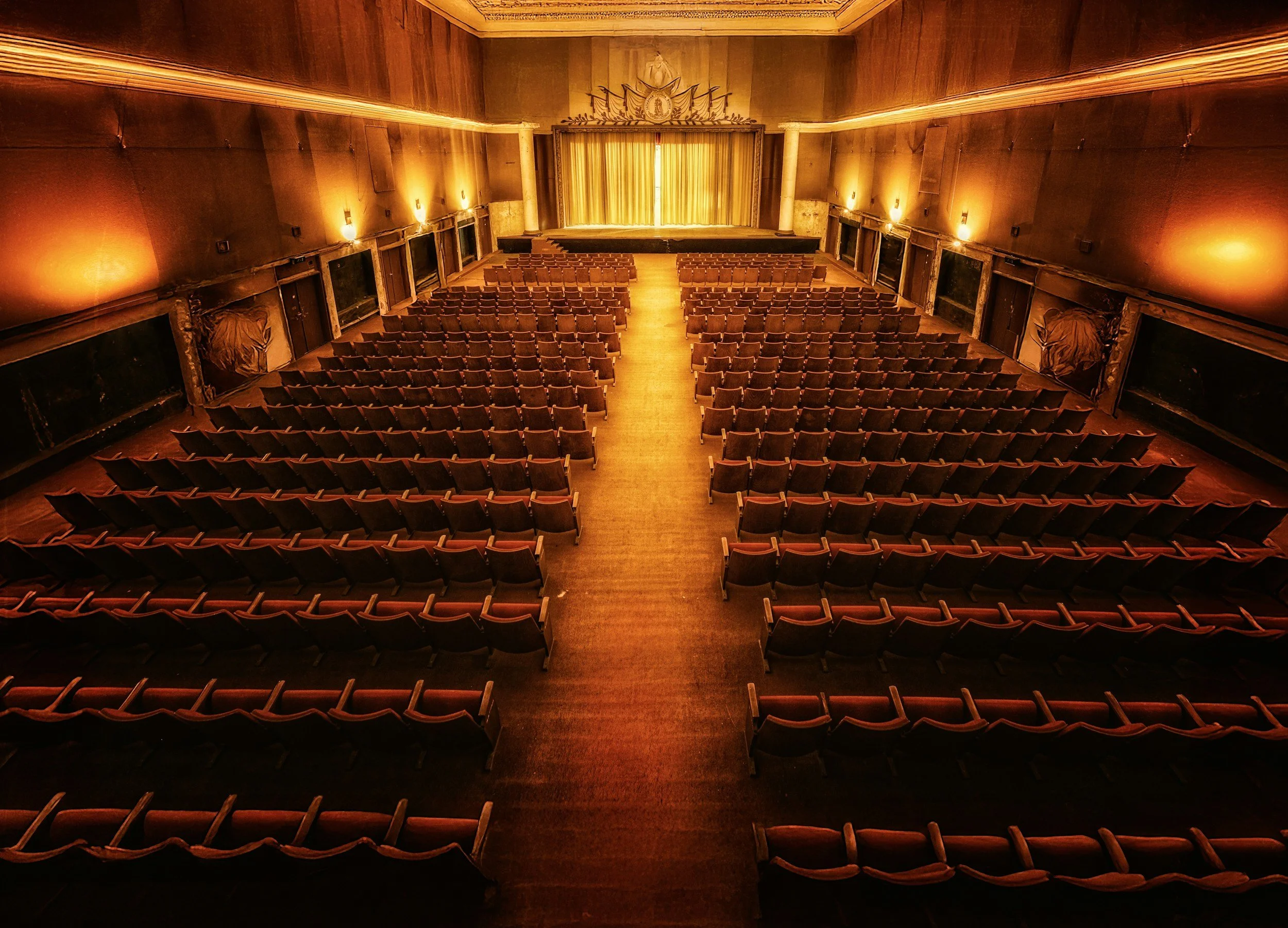
Historic theatres have an experience nobody else can match. One 85-year-old music venue leaned into the building itself for a full season, putting the room at the forefront of the message rather than just the address. The result: 72 of 74 shows returned a profit, with some hitting a 33X return on ad spend. The lineup didn’t carry the season. The place did. Most theatres bury that kind of story on the About page. It belongs in the ad, the subject line, and the on-sale post.
6. Your brand is fragmented.
If a buyer sees an ad for a country show, then a ballet, then a comedian, then a tribute act, and the only thing those four ads have in common is the venue name in 9-point type, you’re not building a venue brand. You’re running four disconnected campaigns that happen to share an address.
Theatres that build real audience equity do the opposite. The venue is the throughline. The shows are the program. One historic opera house returned from a two-year pandemic shutdown with a 12.2X return on ad spend. Not because the Broadway titles were magic, but because the venue brand itself was a clear, consistent promise that buyers recognized the moment the lights came back on.
The house fills when the offer works
Empty seats are rarely a megaphone problem. They’re a signal that something underneath the marketing isn’t right. The timing is off. The audience is rented, not owned. The price climbs at checkout. The urgency is vague. The lineup is being asked to do work that the experience should be doing. The brand reads like four campaigns rather than one.
None of these are expensive to fix, and historic theatres have an unfair advantage when they do. The building is part of the offer. The history is part of the offer. The room itself is a reason to buy that no streaming service, arena, or competing venue can replicate. The theatres that win consistently put that advantage into the message and stop treating promotion as the answer to every problem.
When the next show stalls, resist the urge to push harder. Look underneath. Fix the offer. The house follows.